Tombstone: Silver & Lead
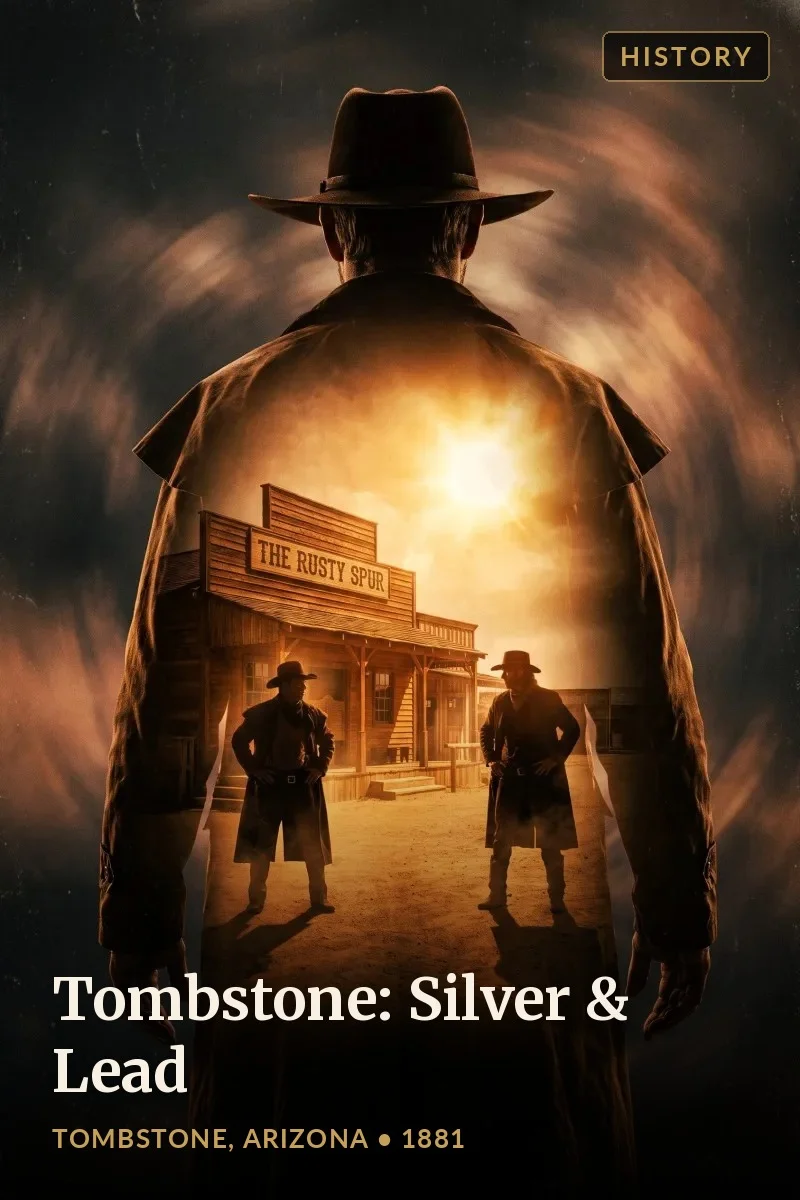
The second stop on our Grand Tour: Tombstone, Arizona, in September 1881. Nine stories, two newspapers at war, and six weeks until the gunfight near the O.K. Corral.
The Timekeeper · 2026-11-04
Last week we were in the fog. This week we're on the other side of the world, in the dust.
Every one of the nine stories is a real person, and they all start at the same moment, in the same town, with the same fuse burning. Play one, then play another, and you’ll find yourself on the other side of the same saloon table.
September 1881
Tombstone is barely two years old and already the fastest-growing town between St. Louis and San Francisco. The Contention and the Tough Nut mines pump out millions in silver. The saloons on Allen Street serve champagne, oysters and ice brought in by wagon, and the street outside is knee-deep in mud and manure. Vices are cheap and living isn't: whiskey is a quarter, a hotel room a dollar or two, a Colt Peacemaker seventeen dollars, and a miner earns about four dollars a day. The game counts every cent.
Your story opens on 9 September, the day after masked men held up the Bisbee stage and took the silver. Everyone in town has a view on who did it, and nobody agrees.
Pick a side
On one side are the Earps: Virgil the town marshal, his brothers Wyatt and Morgan, and their friend Doc Holliday. They're Republicans, backed by the mayor, the mine owners and the churchgoers who want Tombstone to become a "real" city. On the other are the Cowboys, rustlers and ranchers from the countryside who ride in to drink, gamble and fight. They're Democrats, and the county sheriff, Johnny Behan, looks after them. Between the two are the gamblers, the saloon girls and the shopkeepers, who mostly want the shooting to happen somewhere else.
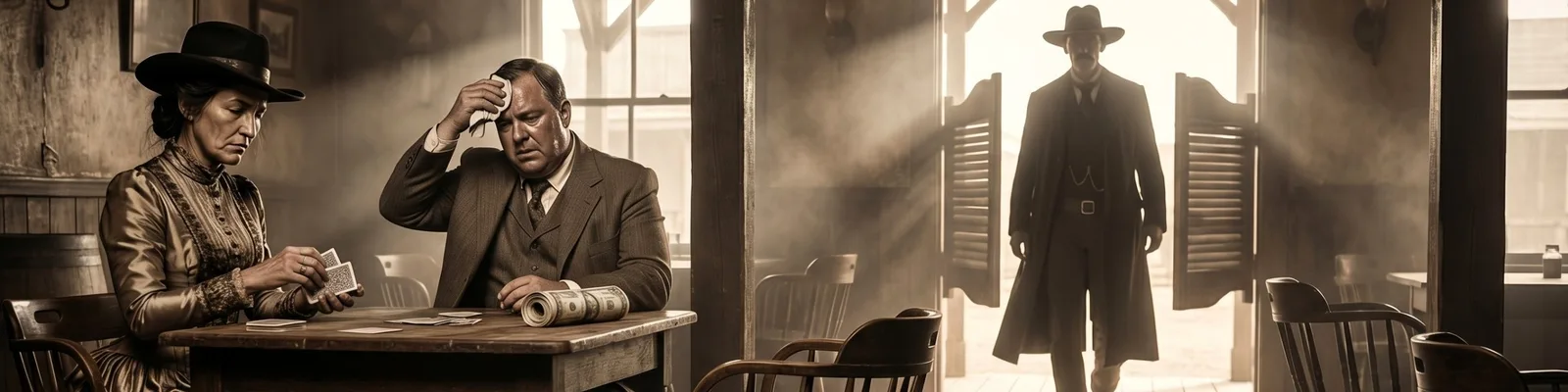
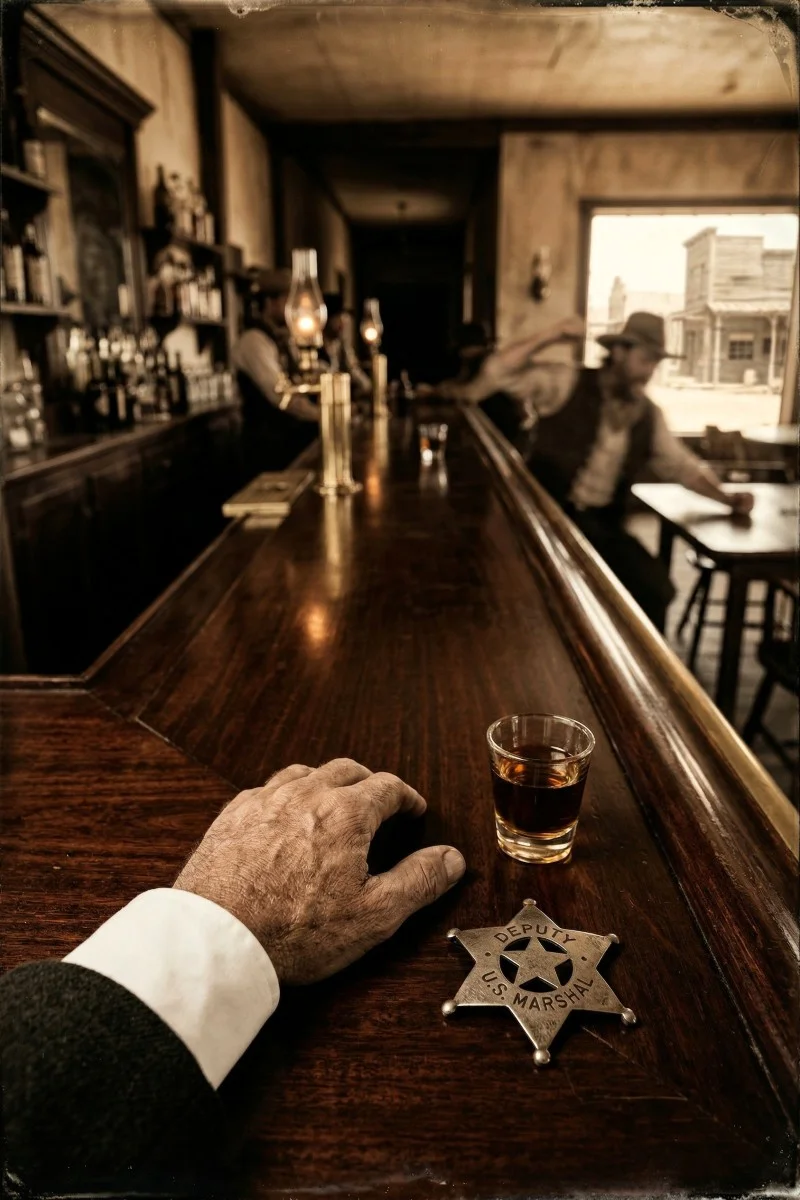
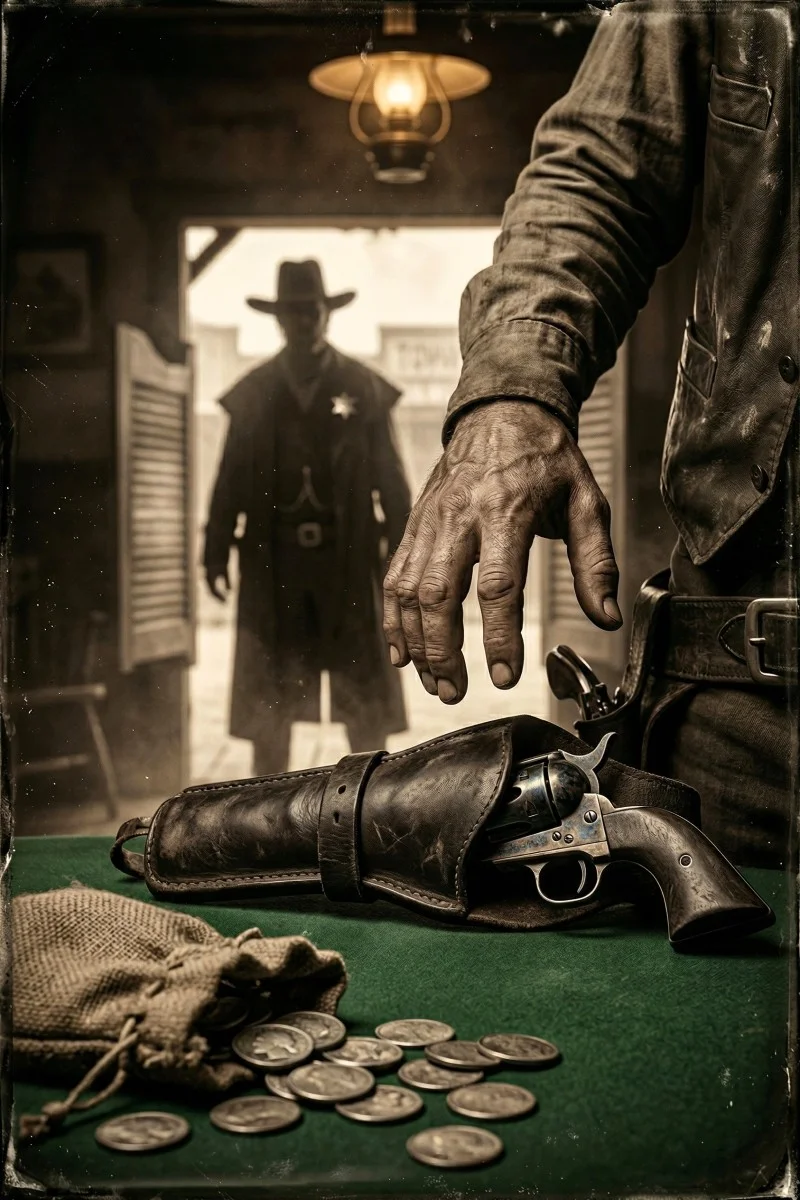
The narrator, a weary saloon keeper with a newspaperman's tongue, won't let you stay neutral for long. Sit down with the wrong man at the faro table and his enemies will remember it. And Ordinance No. 9 makes it illegal to carry a gun within town limits, so walking down Allen Street with a revolver on your hip is an invitation for a marshal to take it from you. That ordinance is the spark: in a standoff, whoever flinches first loses.
Historically, the shooting started on 26 October 1881, in a vacant lot on Fremont Street a few doors from the O.K. Corral, and was over in about thirty seconds. Your story starts six weeks earlier. Whether it ends the same way is up to you.
Two papers, one feud
Tombstone had two newspapers, and they hated each other. Clum's Epitaph backed the Earps. The Daily Nugget backed the sheriff and the Cowboys.
In the game, the paper that lands on your table every morning, with a fuller edition on Sunday, is the Nugget: ten cents, a dollar to place an advert, and not much sympathy for the marshals. Play as John Clum and you'll be reading your rival's paper over breakfast while you try to get your own front page out. (More on how the newspapers work in our last spotlight.)
The stories
- Empire of Dust: Wyatt Earp, ex-lawman and gambler, set on taking control of Tombstone, and slipping away to the back room to meet Josephine Marcus.
- The Weight of the Badge: Virgil Earp, the town marshal, trying to keep the law from turning into a family blood feud. First job: take Ike Clanton's gun off him.
- Dead Man's Hand: Doc Holliday, the dentist turned gambler, dying of consumption and in no hurry to stop. He wants Ike to draw first in the Oriental Saloon.
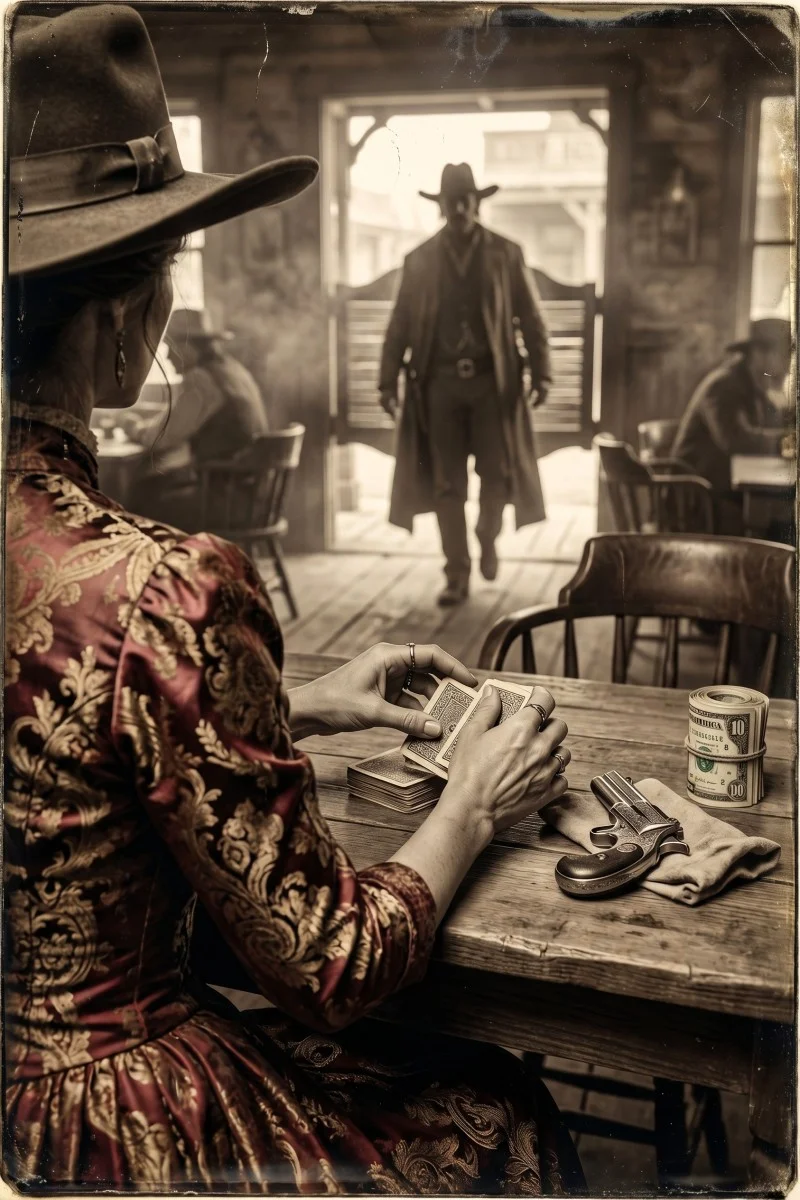
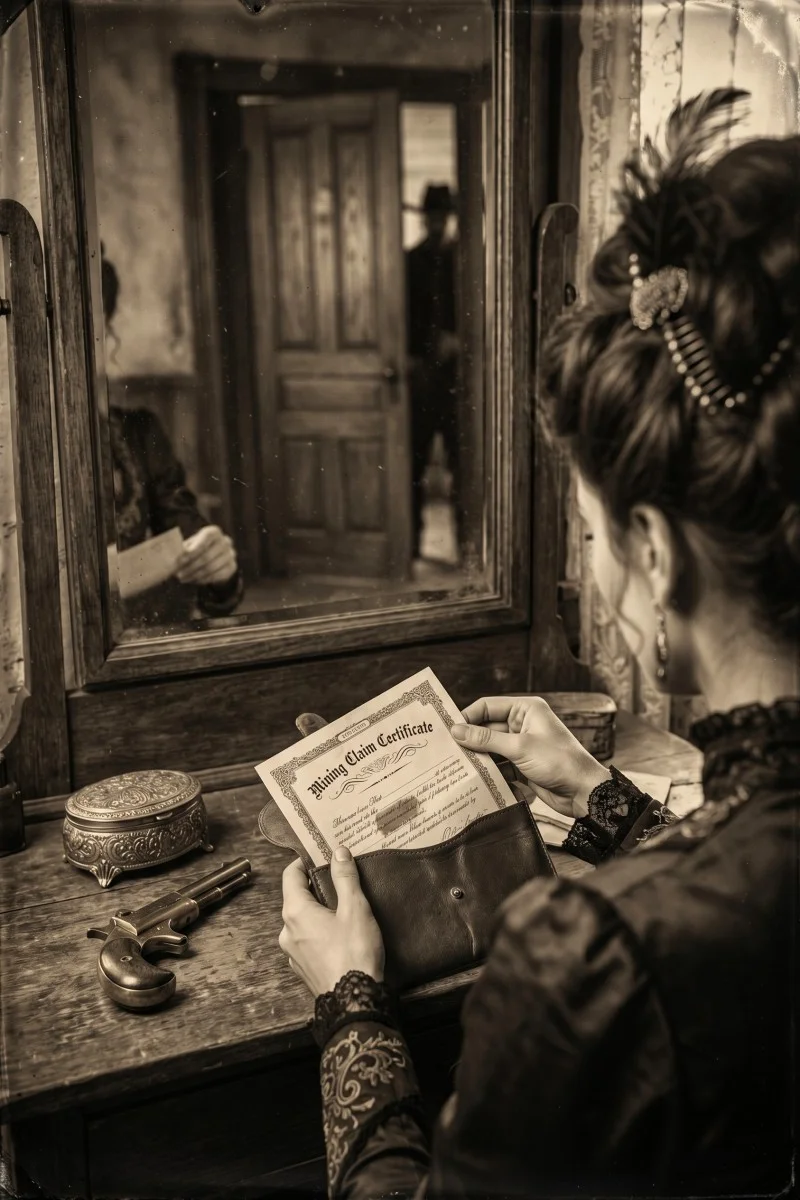
- No Man's Shadow: Big Nose Kate, who answers to no man, not even Doc. There's fifty dollars to be won off a San Francisco mining man at her poker table.
- A Calculated Heart: Josephine "Josie" Marcus, a young actress living as Sheriff Behan's lover, about to climb out of his bedroom window to meet Wyatt.
- Ink and Iron: John Clum, mayor of Tombstone and editor of the Epitaph, about to print an editorial linking the sheriff to the Bisbee robbery.
- A Coward's Bluff: Ike Clanton, loud, drunk and making threats he may not be able to back up. He's about to insult the marshal in front of a saloon full of people.
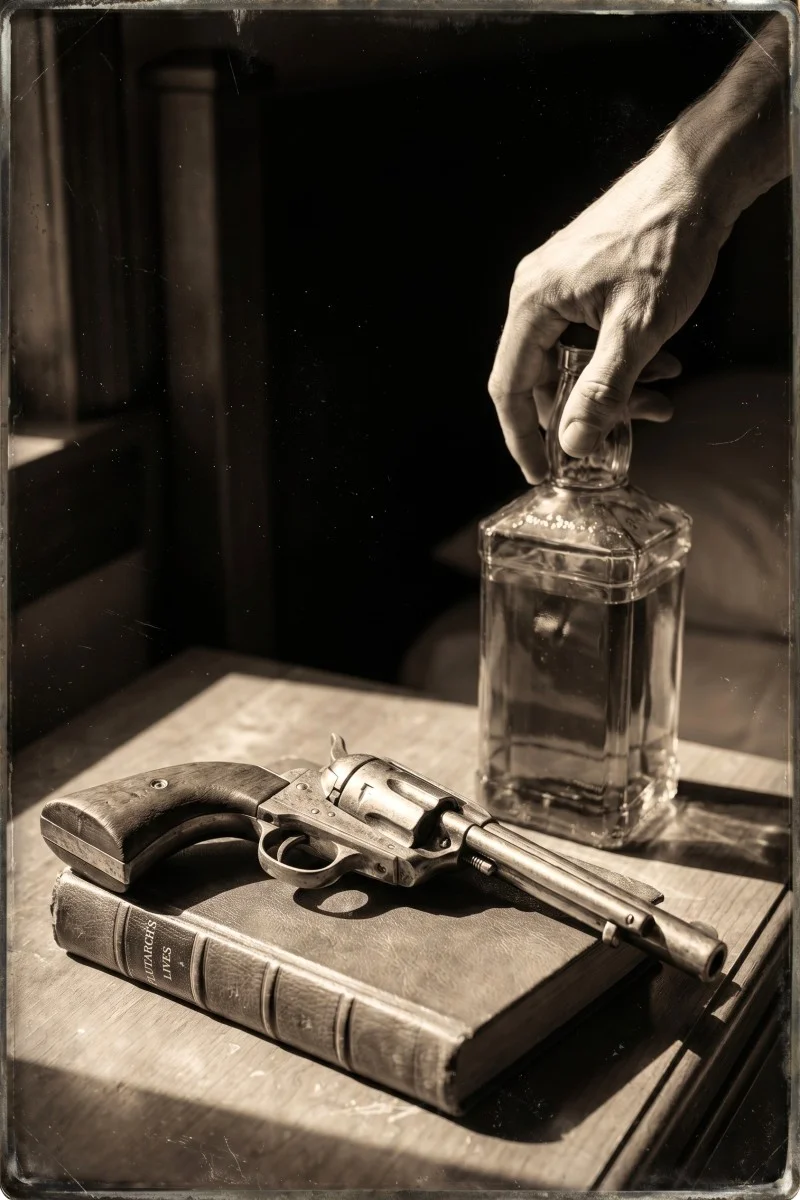
- The Last Sunset: Johnny Ringo, the Cowboy who quotes Shakespeare and Latin, perhaps the deadliest of them, and only after a bottle of whiskey from a hotel bar full of deputies.
- Grace Under Fire: Nellie Cashman, the Irish restaurateur both sides respect, who wants the Earps and the Cowboys out of her dining room, peacefully.
Kate, Josie and Nellie are three very different women making their own way in a town run by men with guns, and they're three of our favourite stories in the game.
Earps or Cowboys: which side would you ride with? Tell us on Discord.
In the manual: Choosing an Era · Archetypes & Characters
Thanks for reading.
See you in the past…
The Timekeeper