England: The Dickensian Age
The first stop on our Grand Tour, an era a week: 1848, nine stories, and the Victorian world of Charles Dickens, where his characters finally meet.
The Timekeeper · 2026-10-28
Welcome to The Grand Tour. Every week we'll take one of our worlds and walk you through it: when and where it is, who you can be, what makes it hard to survive, and what we got up to while building it. Along the way we'll also be announcing new eras, so keep an eye on this series.
We're starting in the fog.
1848
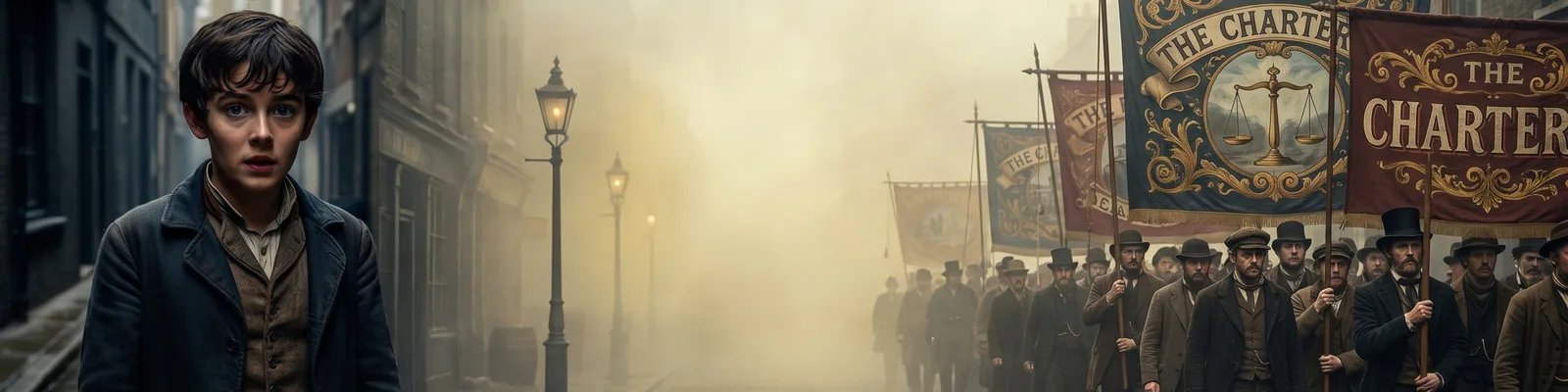
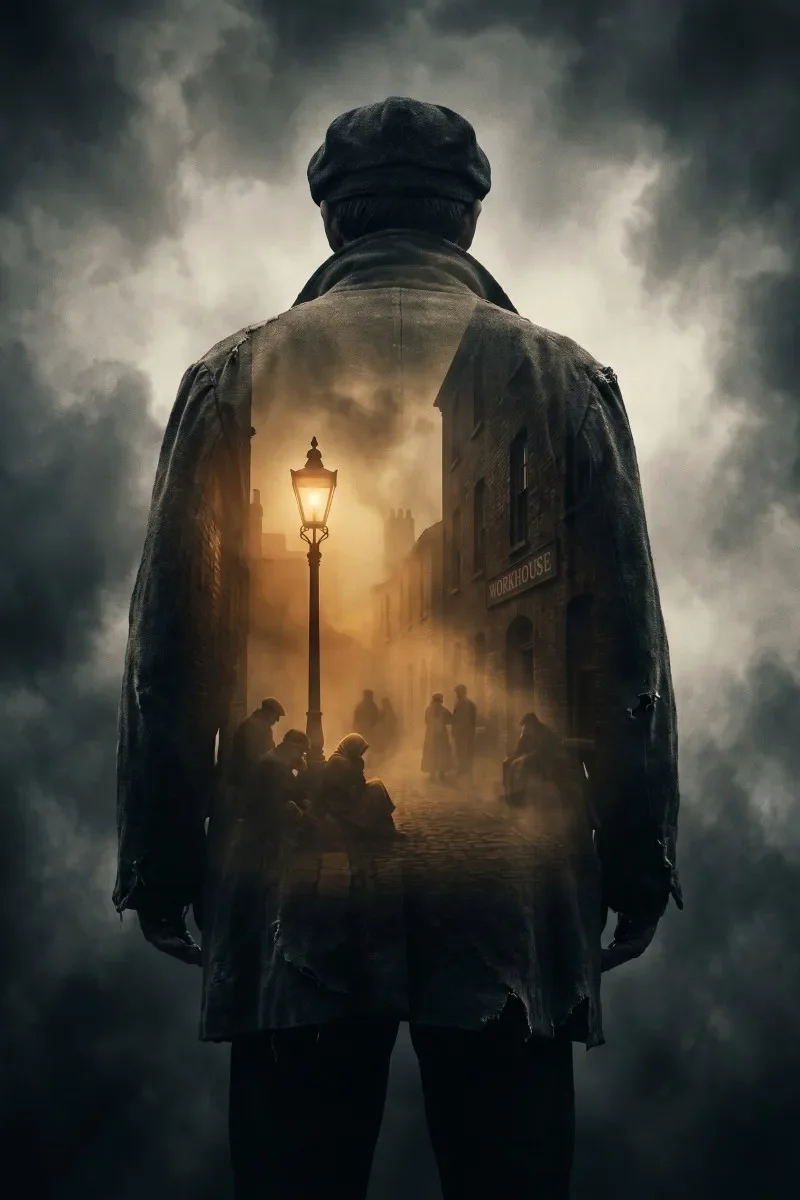
It's the year revolutions sweep across Europe, and England is holding its breath. The Chartists are marching for the vote, the railways are tearing through the countryside, and cholera is creeping back into London. The Empire has never been richer, and its poor have never been more crowded: in the rookeries of St Giles, the mills of the North, the debtors' prisons and the workhouses, waiting for anyone who slips.
Class is a wall. The gentry don't speak to the working class unless they're giving orders, respectability is everything, and people judge you at a glance by your coat and your accent. Debt can put you behind bars. And the London Particular, the thick yellow-brown fog, can bring a street down to a few feet of visibility and hide whatever is happening in it.
Your narrator here is The Omniscient Boz, named after Dickens's own pen name: theatrical, sharp-eyed, generous to the poor and merciless to beadles, landlords and hypocrites. Money comes in pounds, shillings and pence, right down to the farthing, and the game counts every one: a pint of porter is 2d, a four-pound loaf 5d, a week in a slum lodging 2s. (More on how the money works in our last spotlight.)
How Victorian England became Dickens
This era didn't start out as Dickens. We began building a "Victorian England" world with characters of our own: a crossing sweeper, a young pickpocket, a mudlark scavenging the Thames, a mill spinner, a struggling clerk.
The more we wrote, the more familiar they became. The crossing sweeper was Jo from Bleak House in all but name. The pickpocket was so plainly the Artful Dodger that we'd already nicknamed him "Dodger". The mudlark was halfway to Lizzie Hexam, the spinner was walking the same mill floor as Stephen Blackpool, and the clerk, well, the clerk was always going to be Uriah Heep.
So we stopped pretending, and brought in the real thing.
One Dickensian world, all at once
Dickens never let his characters meet. We couldn't resist.
In our 1848, from the London rookeries to the Kent marshes and the Yorkshire moors, their stories run into each other. Uriah Heep isn't just ruining Mr Wickfield: he's forging his way into Miss Havisham's fortune, doctoring Wackford Squeers's accounts, and holding William Dorrit's inheritance to ransom. Inspector Bucket is tearing through the slums after Jo, the Dodger and the Hexams. Fagin is never far away. And Magwitch, shivering on the Kent marshes, knows more about Miss Havisham than she'd like.
We took some liberties along the way. Jack Dawkins is a few years older than in Oliver Twist, and has just escaped a sentence of transportation. Miss Havisham has a first name, Amelia. But every story keeps the heart of the book it came from.
The stories
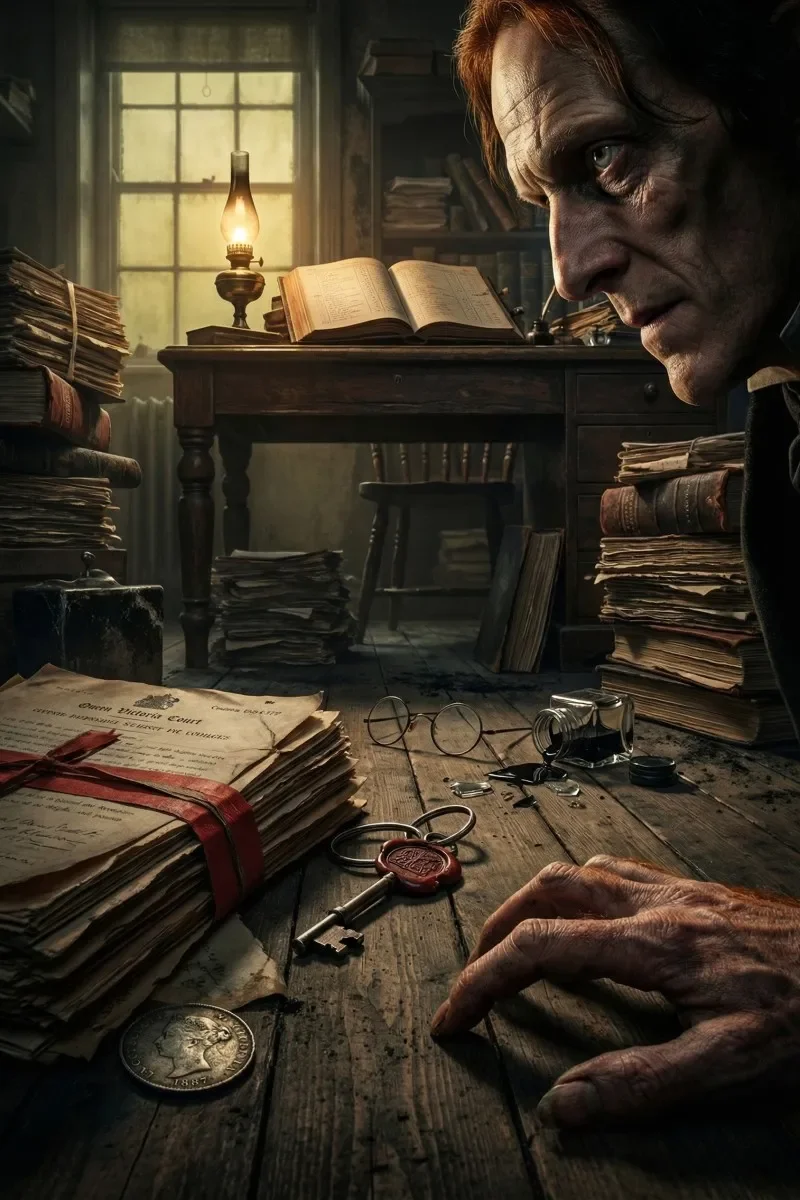
- Ink and Ambition: Uriah Heep, the 'umble clerk, one forged signature away from owning everything.
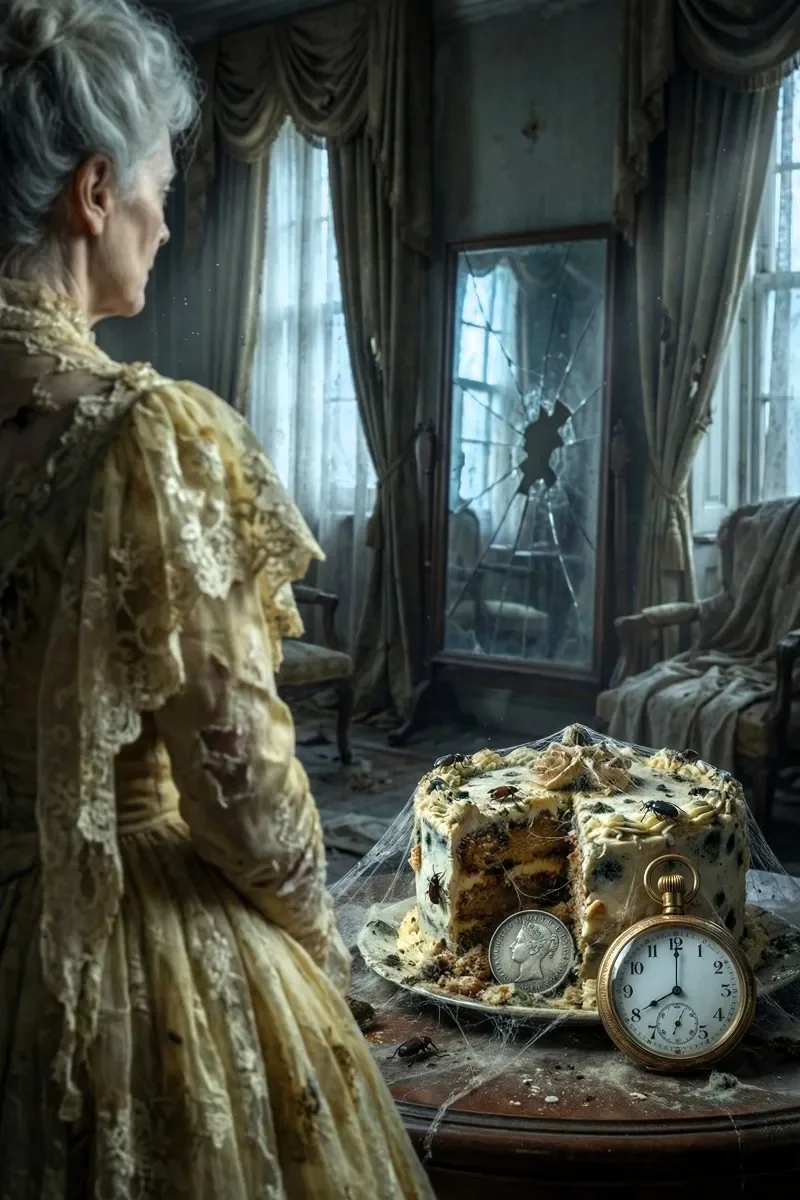
- Twenty Minutes to Nine: Miss Havisham, in her stopped house, deciding how to receive the clerk at her gate.
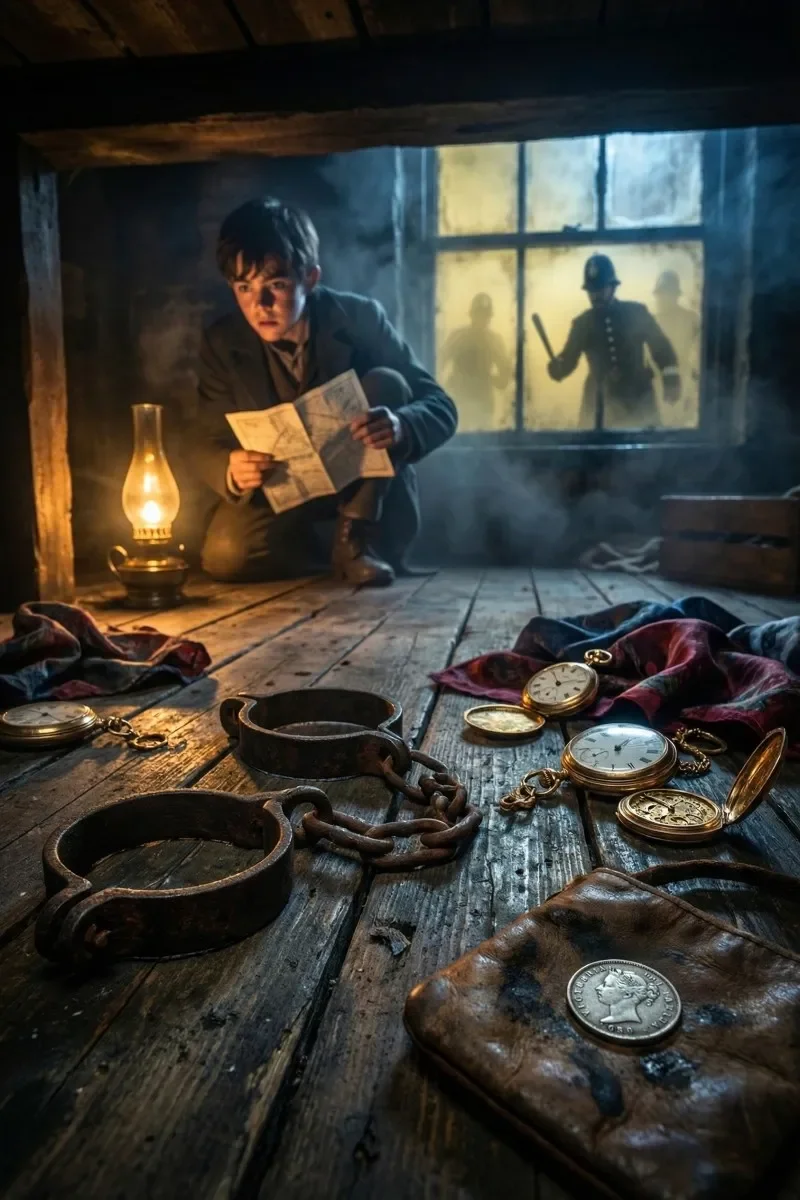
- The Streets of Guilt: Jack Dawkins, the Artful Dodger, with seventeen gold guineas hidden by the river and one last job to do.
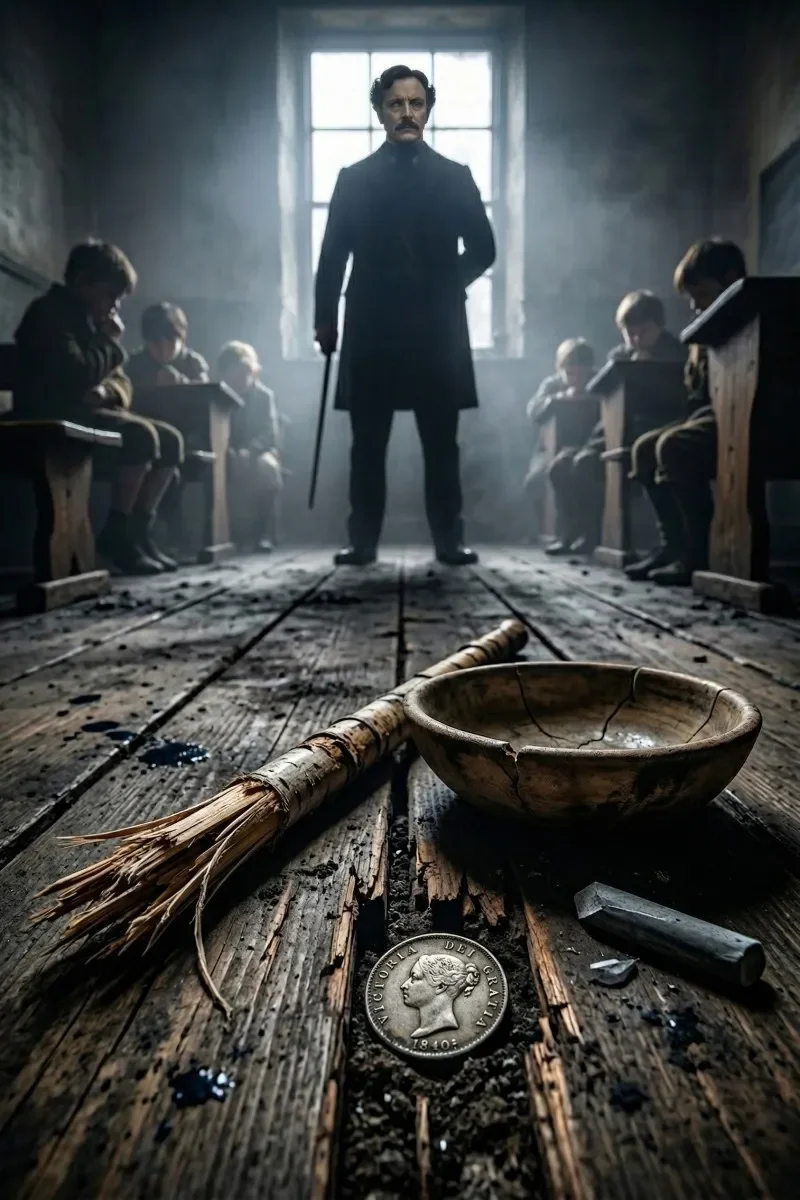
- Brimstone and Treacle: Wackford Squeers, headmaster of Dotheboys Hall, the worst school in Yorkshire.
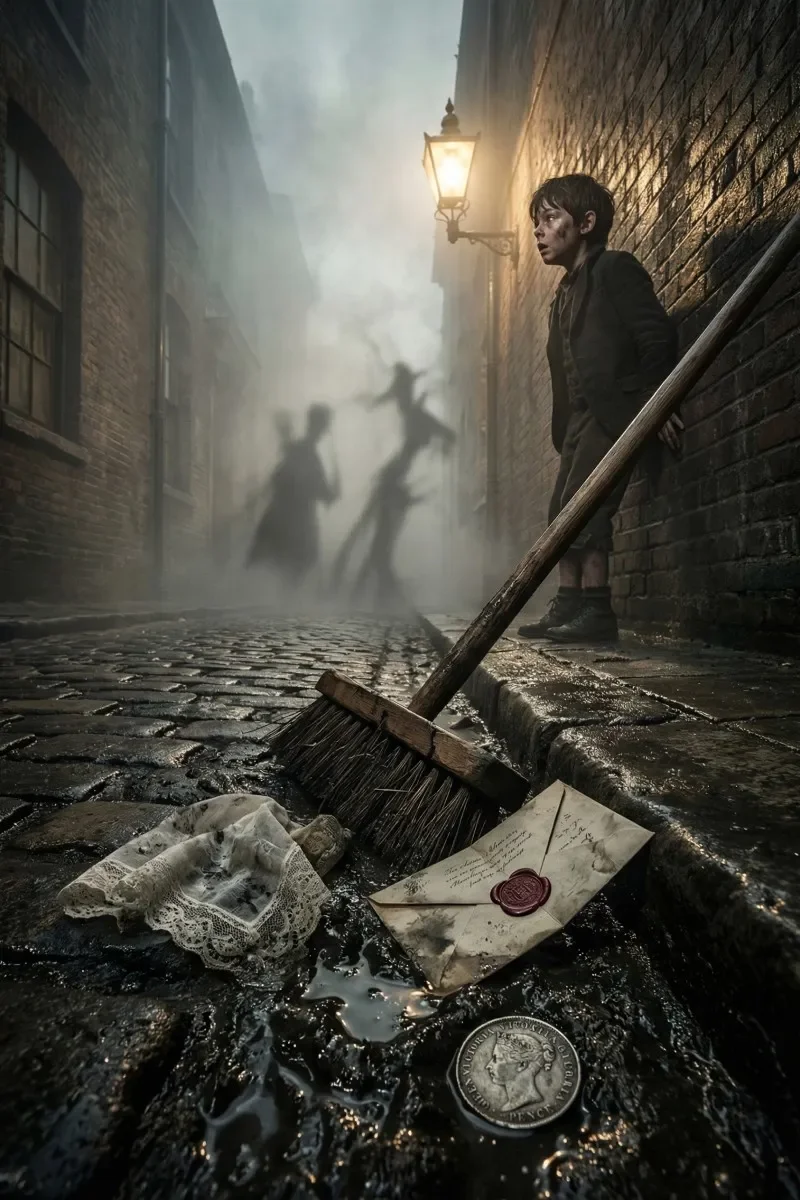
- Gold in the Gutter: Jo, the crossing sweeper who "don't know nothink", and knows far too much.
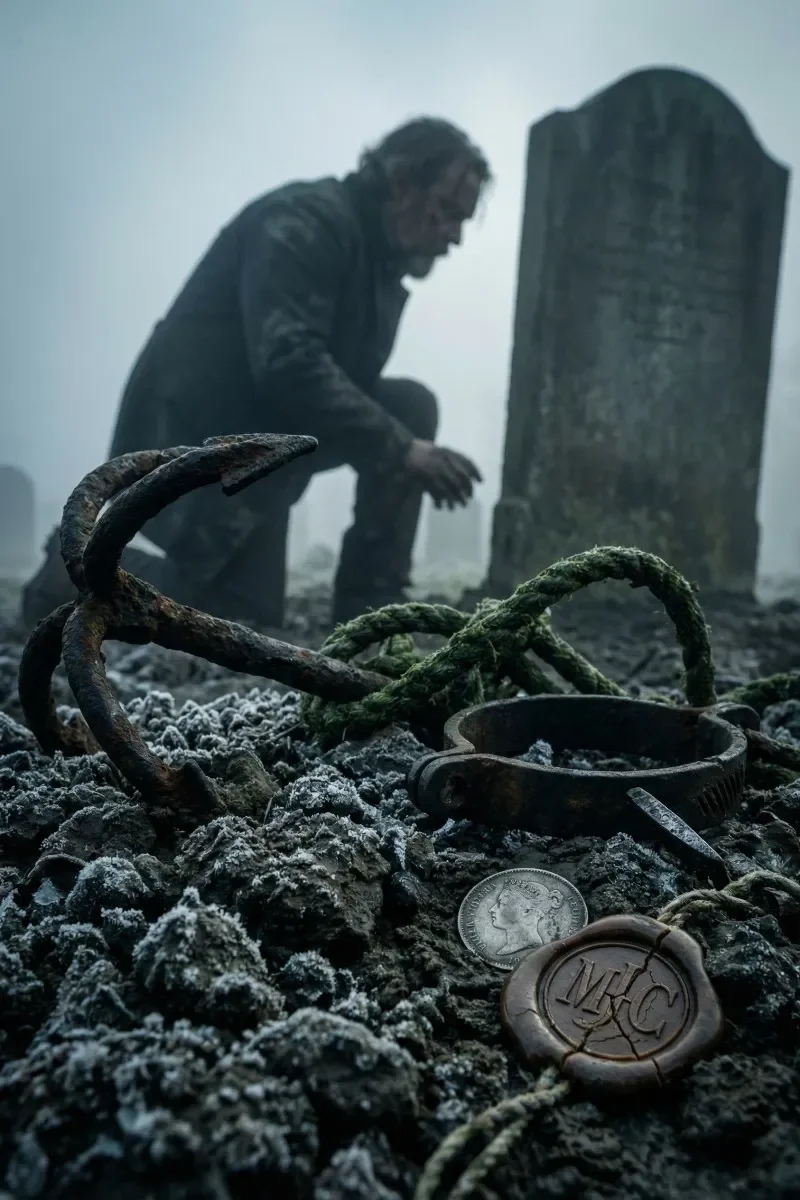
- Blood on the Marshes: Abel Magwitch, escaped from the prison hulks, hiding among the tombstones.
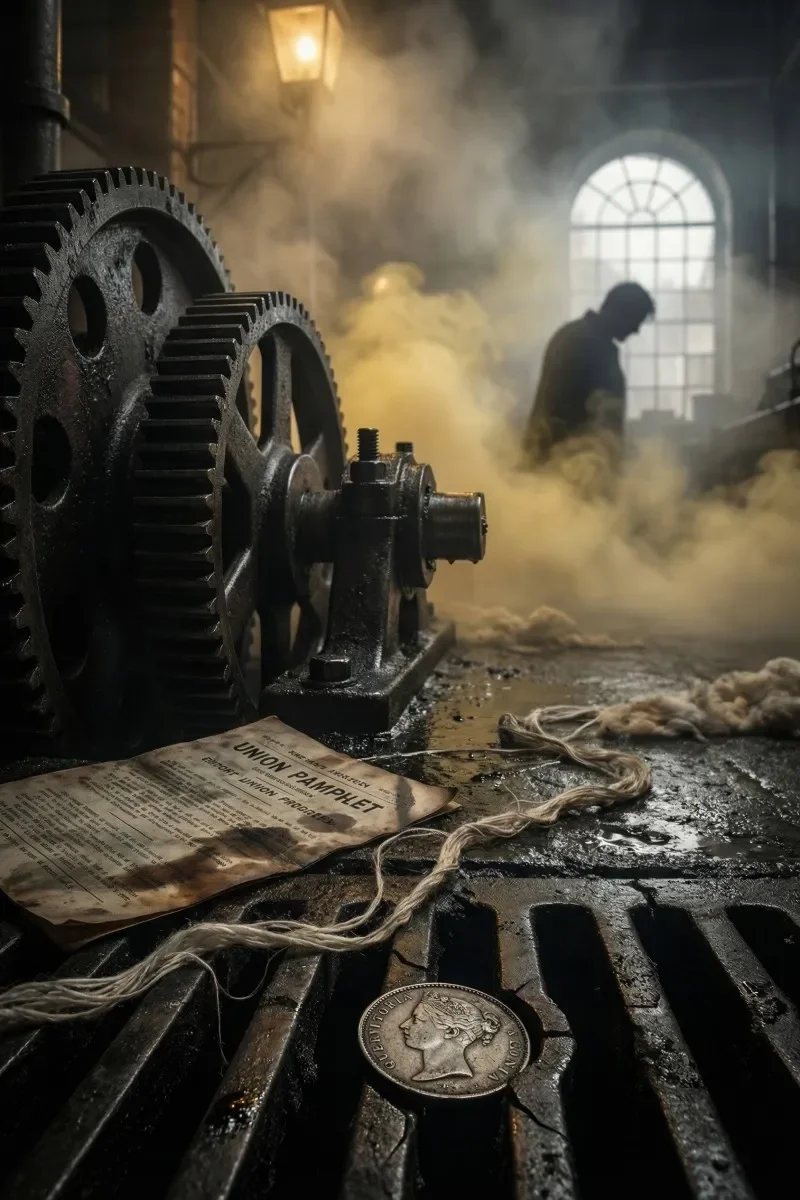
- The Loom of Despair: Stephen Blackpool, a weaver in Coketown, caught between his master and the union.
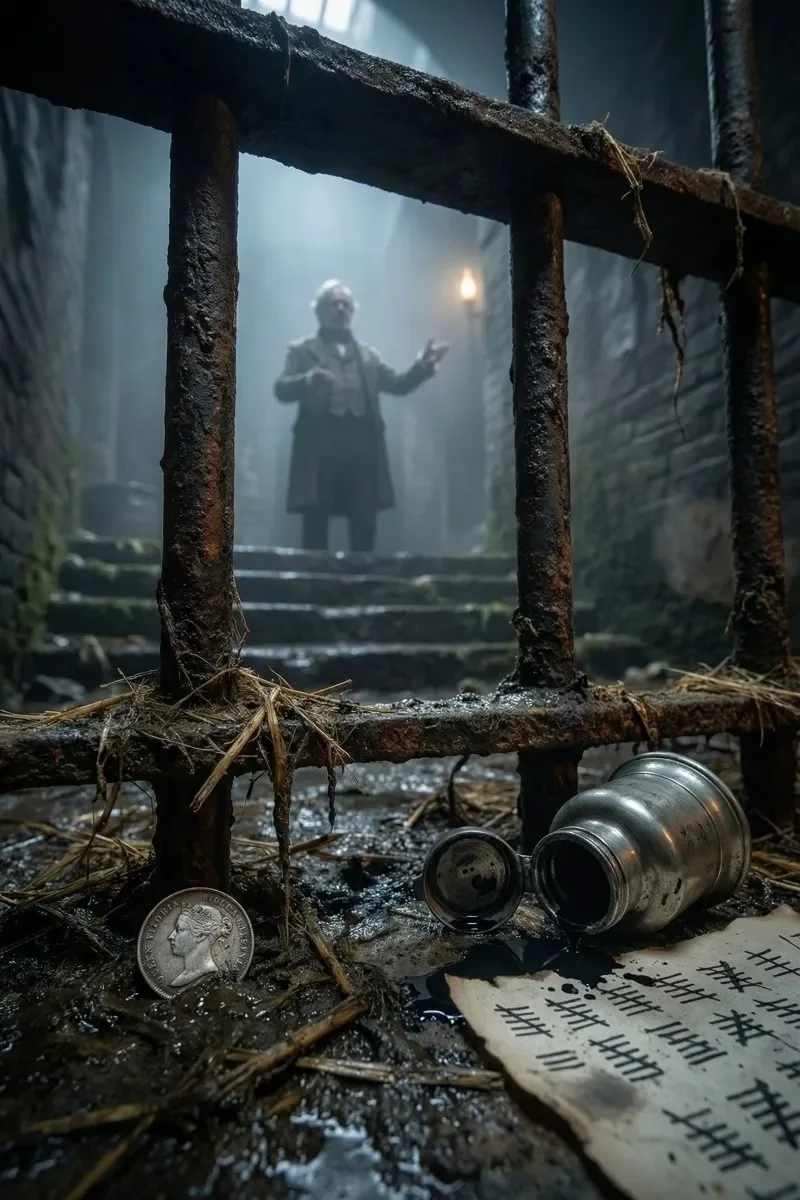
- Kingdom of Debt: William Dorrit, Father of the Marshalsea, collecting tribute from the new arrivals.
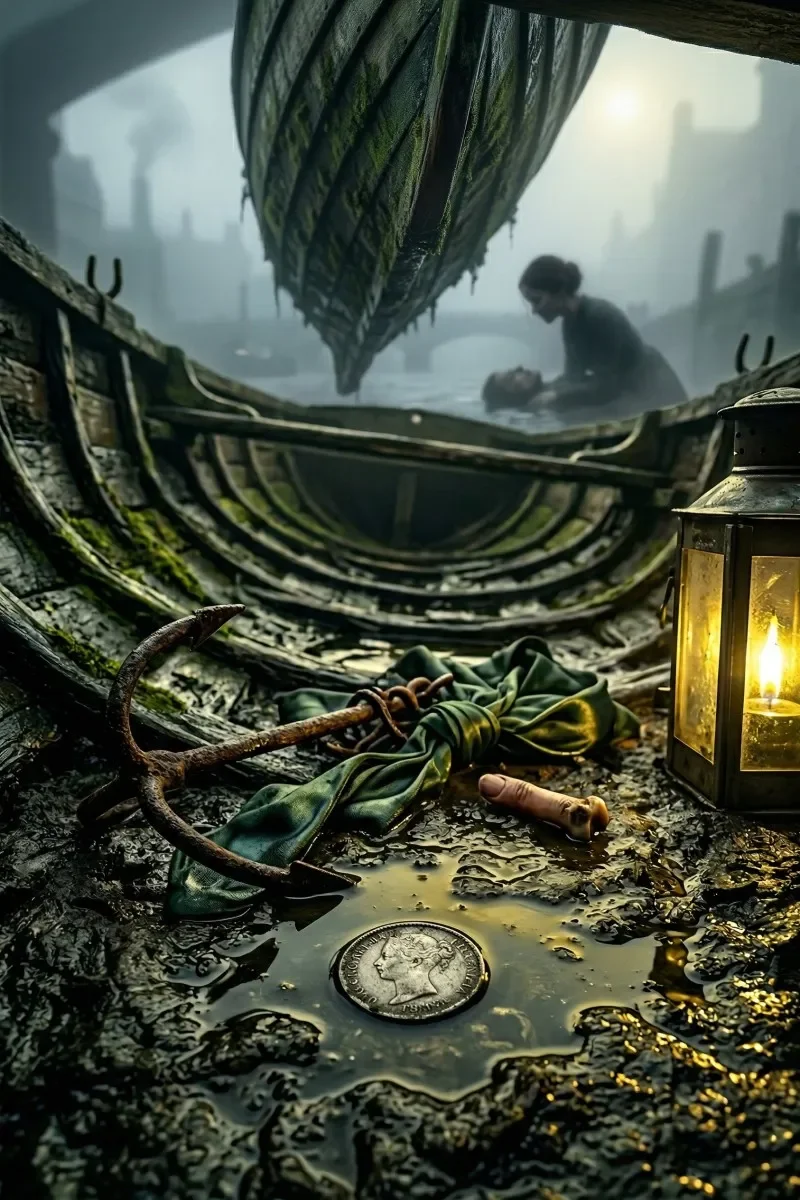
- What the River Takes: Lizzie Hexam, rowing the Thames with her father, and what they pull out of it.
Read all about it
Every era has its own newspaper, and here it's the Daily News, the paper Dickens himself founded in 1846. It comes out every morning except Sunday, with real headlines from that week in 1848 and a rumour or two about whatever you've been up to. There's much more on the newspapers in our next spotlight.
Which Dickens character would you want to play next? Tell us on Discord.
In the manual: Choosing an Era · Archetypes & Characters
Thanks for reading.
See you in the past…
The Timekeeper