Feature Spotlight: Every Coin Counts
Your purse is now held by the game itself, in each era's own coins: denarii in Rome, pieces of eight in Nassau, shillings and pence in Dickens's London.
The Timekeeper · 2026-10-25
Every AI RPG player knows the moment. You're a penniless street urchin, you pat down a drunk, and suddenly you have a bag of 500 gold coins. Ten turns later you buy a horse, a sword and a round for the whole tavern, and the purse is somehow still full. The narrator never forgets a plot twist quite as fast as it forgets how much money you have.
So we took the money away from the narrator.
The game holds your purse
Your money is now a number the game keeps, not a line of text the narrator rewrites each turn. When coins change hands in the story, the narrator only reports what moved: three pence paid for a pint, a shilling earned for a day's carting, a purse lost to a pickpocket. The game does the sums.
That means:
- What you have, you keep. A sum you earned on turn 5 is still there, to the penny, on turn 50.
- You can't spend what you don't have. Try to buy a horse with four shillings and you come up short, and the story has to deal with that.
- A failed attempt earns nothing. Fumble the pickpocketing and you don't walk away with the purse anyway.
- It checks the narrator's work. If the story says "you hand over threepence" but the narrator forgets to report it, the game notices and takes the threepence.
The coins of every era
Each of our twelve historical eras has its own money, with real prices of the time to guide the narrator:
- Rome, 80 AD: aurei, denarii, sestertii and the humble as. A labourer earns about three sestertii a day; a loaf costs an as or two.
- London, 1348: pennies, halfpennies and farthings. A shilling is a week's wages, and with the plague, prices are leaping.
- Edo, 1603: strings of copper mon for a bowl of noodles; a gold ryō is a fortune to a townsman.
- Nassau, 1715: doubloons and Spanish pieces of eight, cut into eight "bits" for small change.
- Paris, 1793: livres and sous, with paper money losing value by the week. Owning a gold louis d'or is enough to make you suspicious.
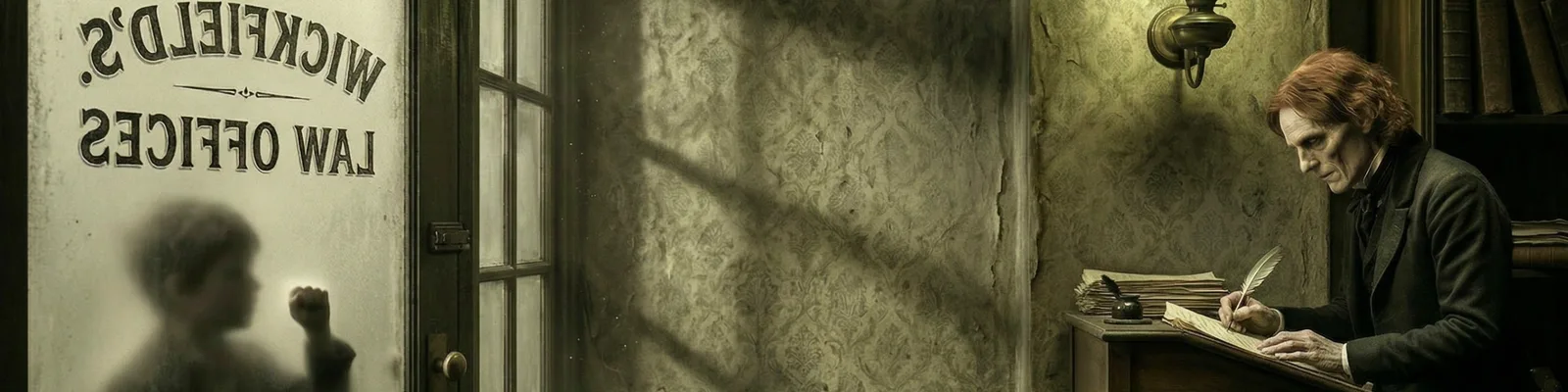
- Dickens's England, 1848: pounds, shillings and pence, down to the farthing. A pint is 2d, a night in a lodging house 4d.
- Tombstone, 1881: silver-boom dollars. Whiskey is a quarter, a miner earns four dollars a day.
- 1917: depends on your side. Shillings for a Tommy, francs for a poilu, Marks for a U-boat crew, and roubles that are worth less every week in Petrograd.
- Mississippi, 1933: the Depression. A long day picking cotton pays about a dollar.
- Chicago, 1952: a working man earns about $70 a week, and a good suit costs $50.
- London, 1966: still pre-decimal. A pint is about two shillings, a record seven, and the ten-bob note is still about.
- Berlin, 1983: East Marks or West Deutsche Marks, depending which side of the Wall you live on. In the East, a bread roll is 5 Pfennig, but West marks buy almost anything.
The game also understands the way people talk about money: a quid, a bob, a tanner, a sou, a bit.
Spend it in the paper
The coins don't stop at the market stall. The small adverts in each era's newspaper are priced in the same money, and you can now pay to place an advert of your own, if you can afford it. More on that in our next spotlight.
What's the most outrageous thing an AI narrator has let you buy? Tell us on Discord.
In the manual: The Ledger: Your Condition · Inventory & Hidden Items
Thanks for reading.
See you in the past…
The Timekeeper