1917: Mud & Revolution
The third stop on our Grand Tour, to mark Armistice Day: November 1917, nine stories, and a war fought from the mud of Passchendaele to the streets of Petrograd.
The Timekeeper · 2026-11-11
Today is Armistice Day. At eleven o'clock on 11 November 1918 the guns on the Western Front fell silent. Our third Grand Tour goes back one year and five days before that, to a war that still had no end in sight.
November 1917
Your story opens on 6 November 1917. That day Canadian troops take what's left of the village of Passchendaele, after three months of fighting in mud deep enough to drown in. In the Alps the Italian army is still falling back from the disaster at Caporetto. In the desert the Australian Light Horse has just charged the Ottoman wells at Beersheba. And tomorrow, in Petrograd, the Bolsheviks will storm the Winter Palace.
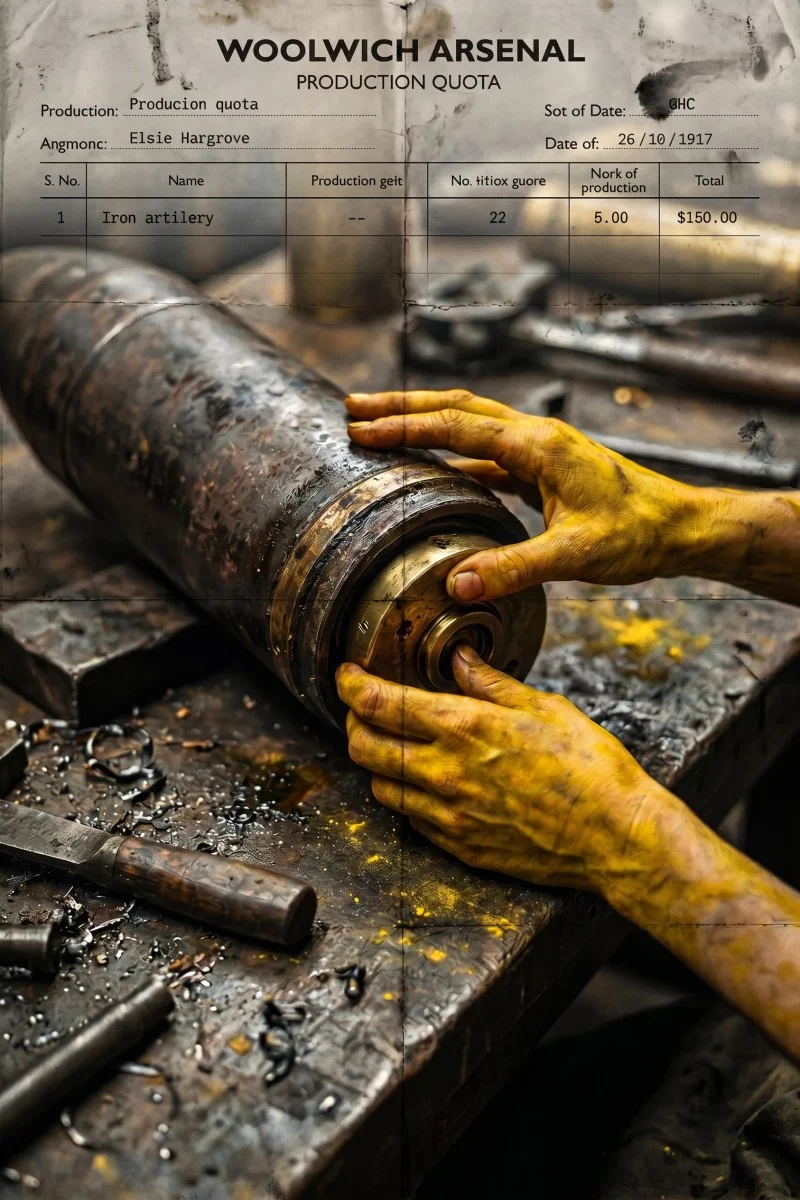
This is the only era in the game that spans a whole world. There are no safe havens left: not the trenches, not the sea, not the factories at home, where the women filling shells with TNT are turning yellow from the powder.
The narrator here is the Ghost of the Great War: weary, cinematic and unflinching. The old lie of glorious combat is dead, and what's left is endurance. Everything is broken, missing or rationed, and a dry pair of socks or an orange is worth more than money. The narrator is strict about the date, too. No German-built tanks in battle yet (they use captured British ones), no Tommy guns, nothing that wasn't at the front by November 1917.
A different war for every story
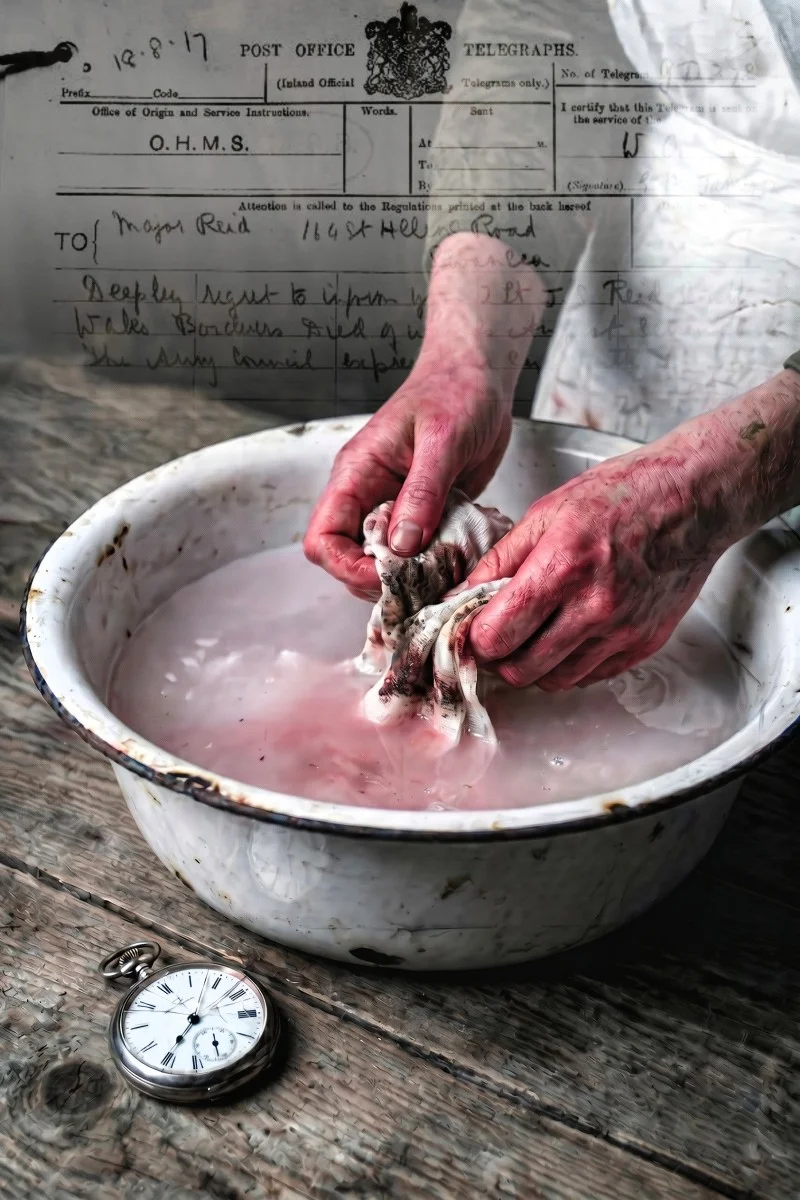
Where you are decides what you can do, who's in charge and what lands on your table. A Tommy at Ypres reads The Wipers Times, the trench paper soldiers printed on a press they found in the ruins, full of mock adverts and jokes about the staff. A sailor gets the Ship's News-Sheet, a trooper in Palestine the Camp Bulletin, a revolutionary in Petrograd Novaya Zhizn, and a munitions girl in London the Daily Chronicle. A letter home takes as long as the field post did, and the censor reads it first.
Money depends on your side, too: shillings for a Tommy, francs for a poilu, marks for a U-boat crew, and roubles that are worth less every week in Petrograd.
The stories
Most of the people you can play really lived.
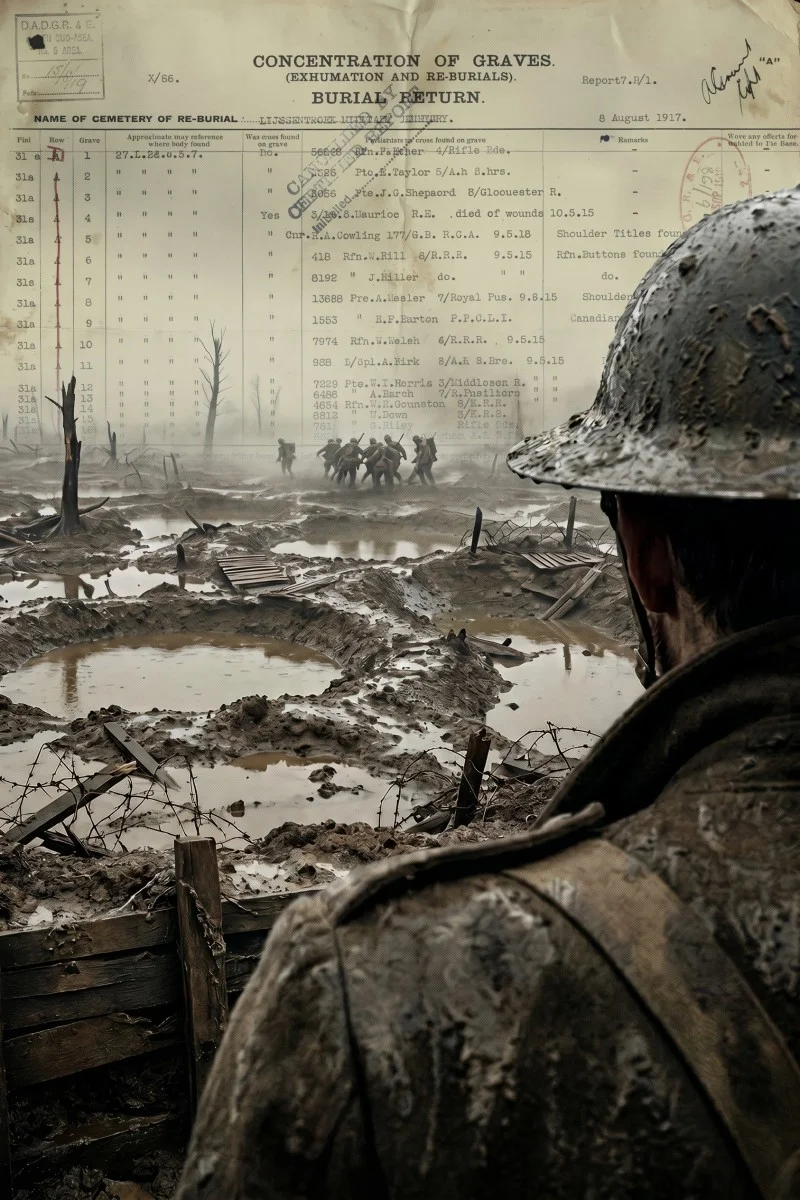
- Echoes in the Crater: Private Thomas Colwell, a Yorkshire miner at Passchendaele, guiding a young officer across the craters.
- The Wards of Étaples: Vera Brittain, a nurse at the great hospital camp, who later wrote Testament of Youth, grieving and still working.
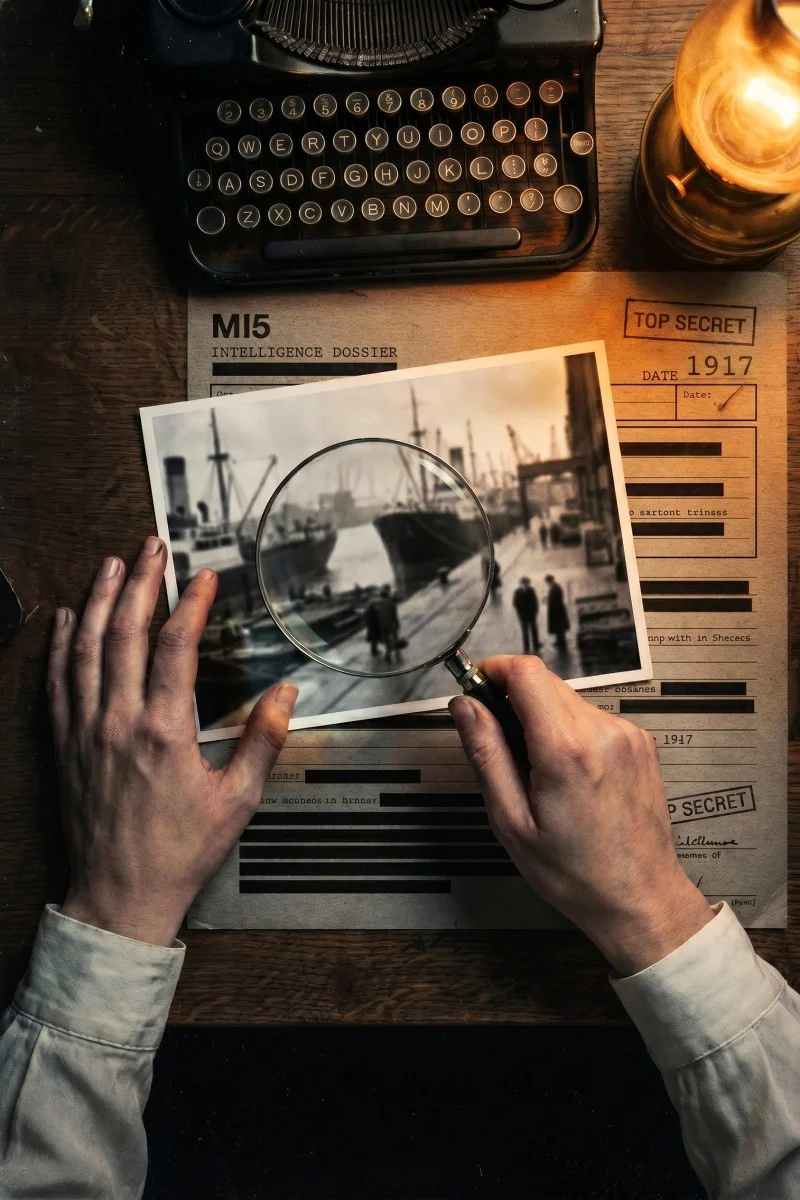
- Web of Deception: Jane Sissmore, a teenage clerk in MI5's Registry, hunting a saboteur in the docks. She would become MI5's first female officer.
- Spark in the Arsenal: Elsie Hargrove, a "canary girl" packing TNT into shells, saving every penny for a shop of her own.
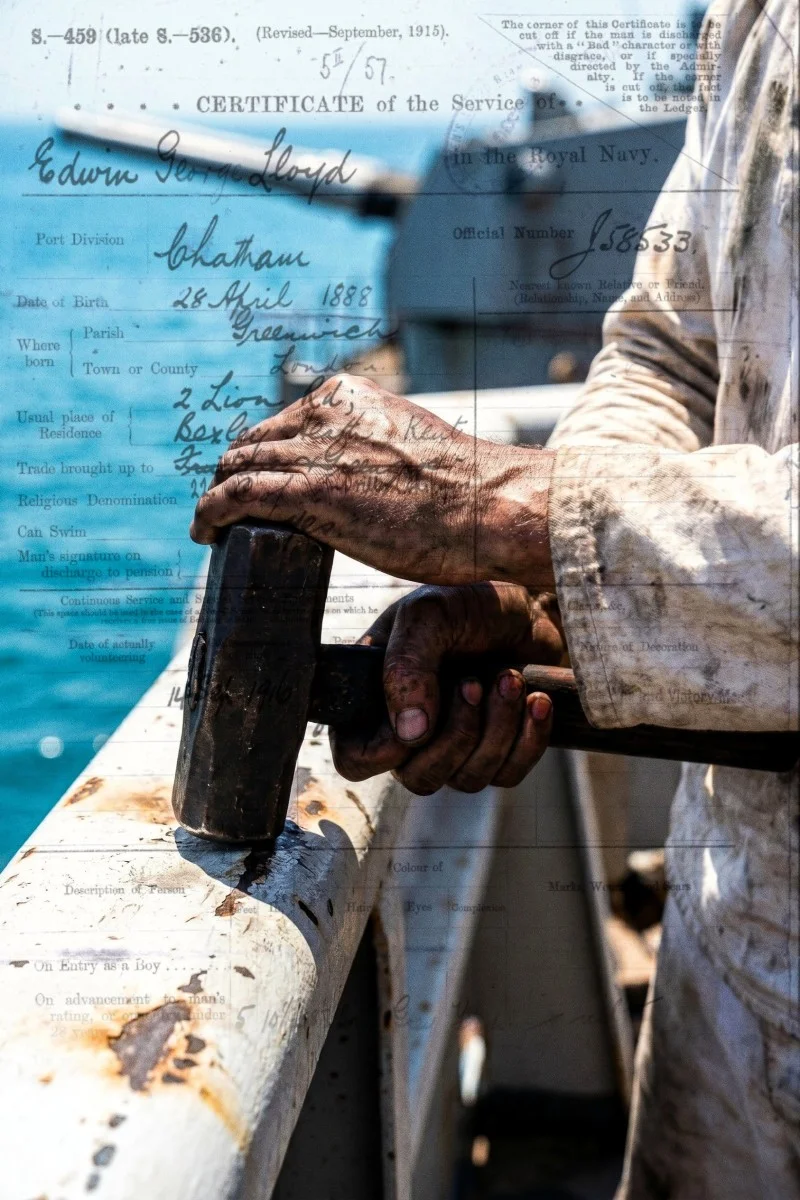
- Iron, Heat and Empire: Edwin George Lloyd, a London greengrocer who joined the Navy to dodge the trenches, sweating in the dry docks at Suez.
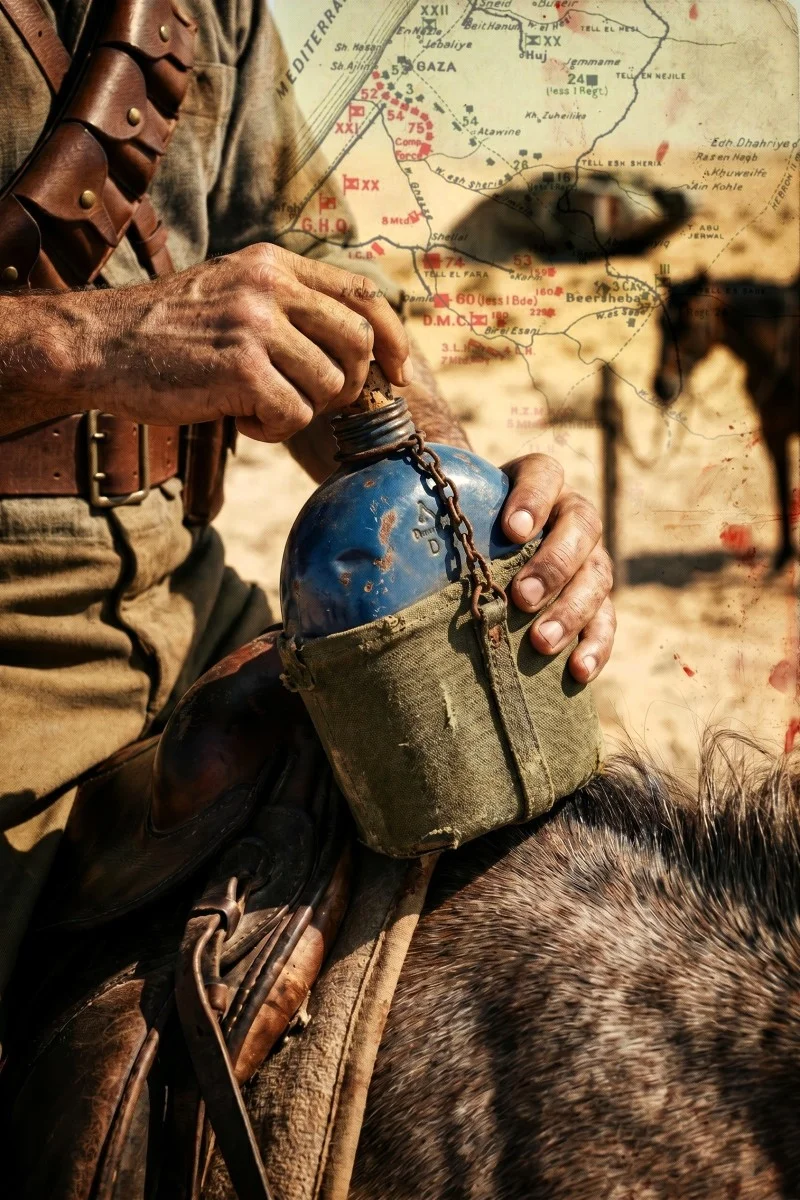
- Diaries in the Dust: Ion Idriess, an Australian Light Horseman keeping a secret diary on the road to Jerusalem.
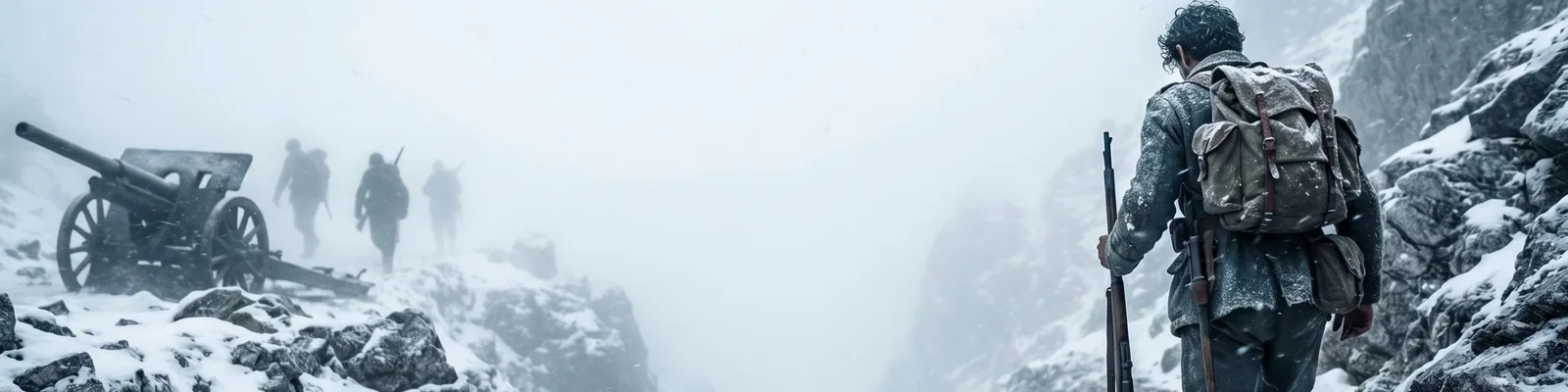
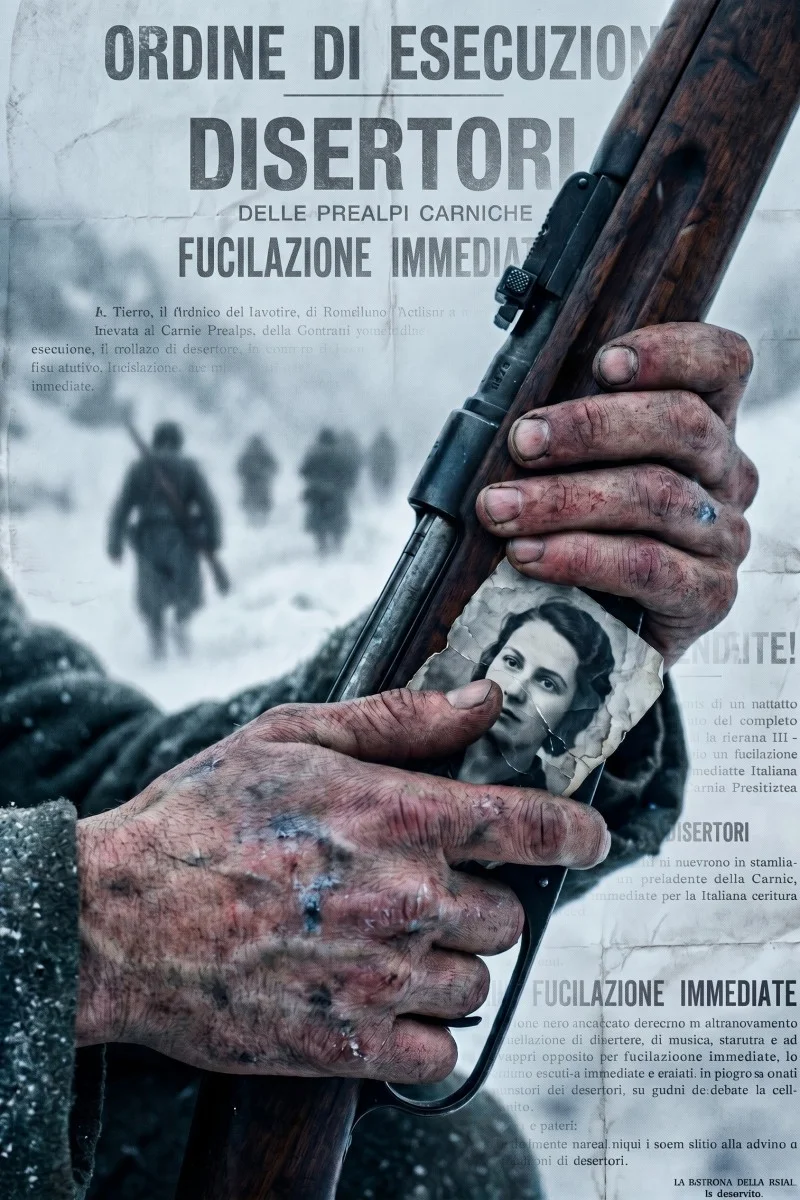
- The Carnic Retreat: Antonio Ferretti, an Alpini soldier retreating from Caporetto, choosing between a lost war and a firing squad.
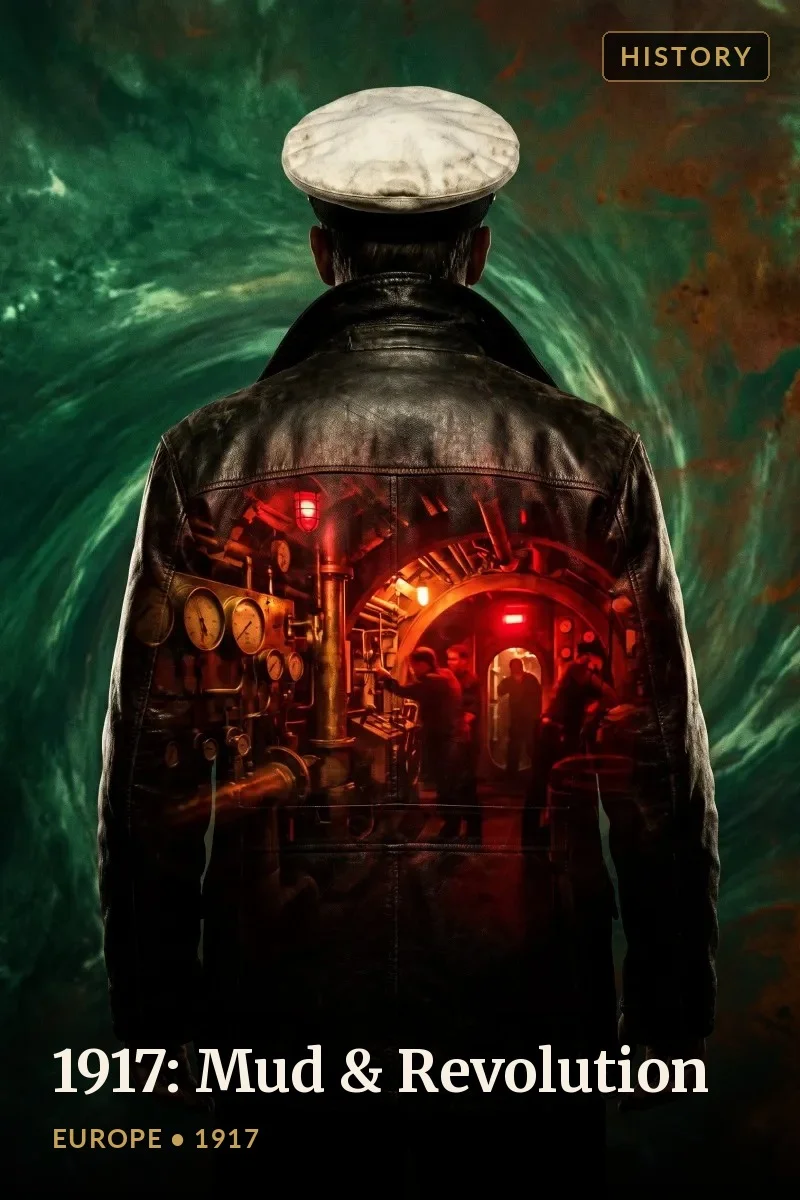
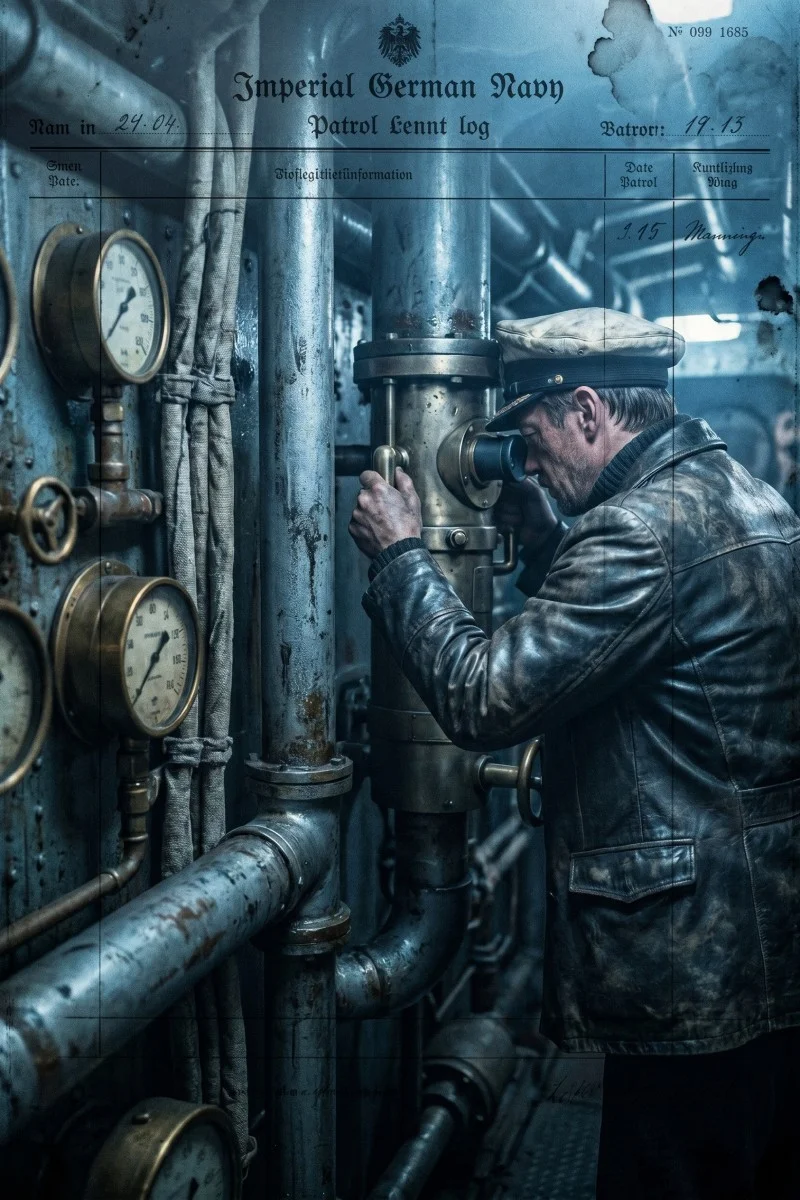
- The Silent Killer: Hans Rose, a U-boat commander trying to keep his code of honour in a merciless war at sea.
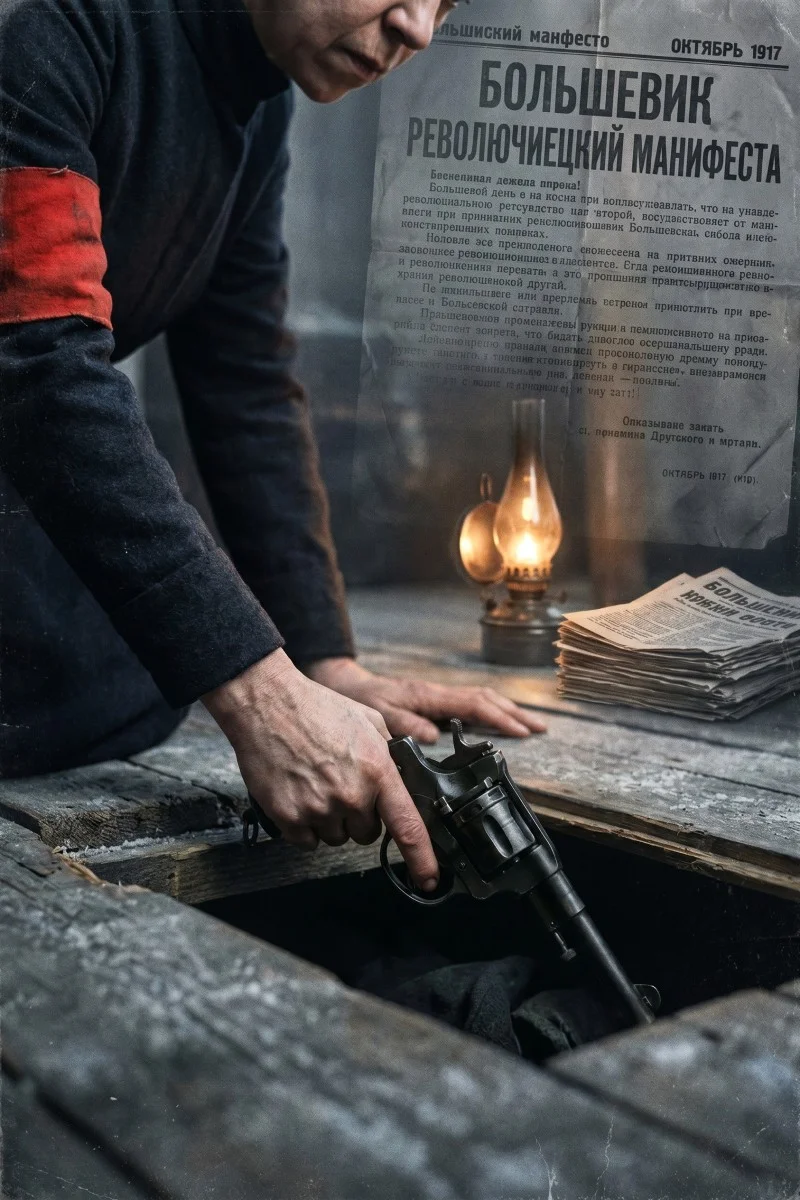
- Dawn of the Red Guard: Aleksandra Kollontai, Bolshevik and feminist, hiding the Red Guard's weapon lists the night before the revolution.
Edwin George Lloyd was my great-grandfather, and his story has been meticulously researched: from before the war to his service in it. His story opens with his ship in the Suez Canal, where the crew are busy preparing for a visit from Prince Faisal, the leader of the Arab Revolt and later King of Iraq.
Why 1917?
We could have set it on the first day of the Somme or on Armistice Day itself. We chose November 1917 because it's the moment the whole world is at breaking point at once, and nobody knows how it ends. Russia is about to leave the war, America has barely arrived, and the men at Passchendaele can't see past the next shell hole.
Who would you want to play first? Tell us on Discord.
In the manual: Choosing an Era · Letters & Telegrams · The Newspaper
Thanks for reading.
See you in the past…
The Timekeeper