Why You Can't Jump the Canyon
Most AI games let you do anything if you describe it well enough. Ours grades every risky action, from routine to impossible, and an impossible one simply fails.
The Timekeeper · 2026-11-07
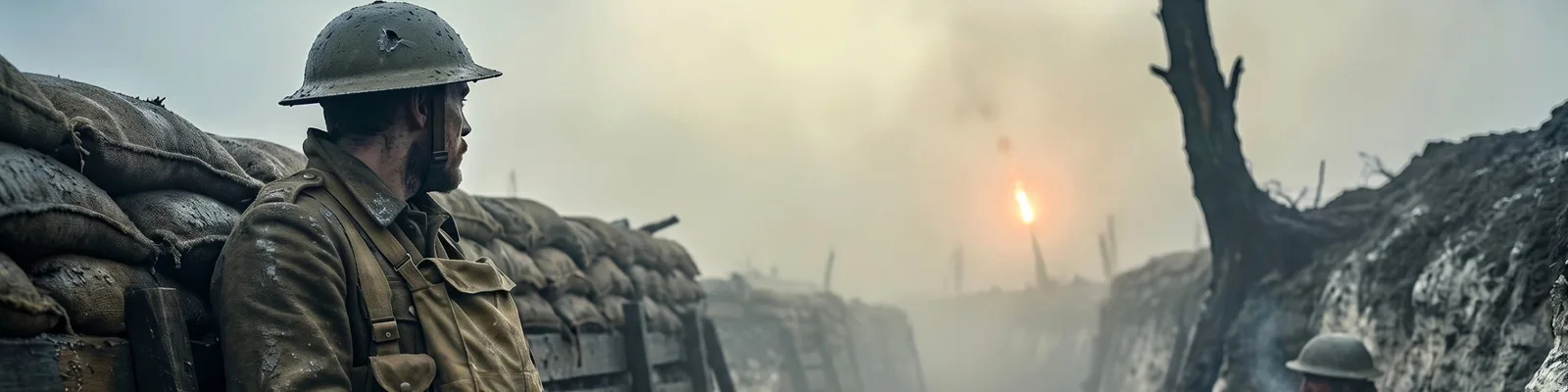
Every AI RPG player has done it. You're a half-starved private in a shell hole, and you type "I leap across no man's land, dodge the machine-gun fire and capture the German trench single-handed". The narrator says yes. Of course it does: you described it so well.
We wanted a game where that doesn't work. So before the narrator writes a word, the game decides how hard your action is, and whether it happens at all.
Five grades of difficulty
Every action you take is read first by a separate, much stricter model whose only job is to judge it. Resting, waiting, eating what you're given, asking for help or looking around are never risky, however badly hurt you are, so lying still won't reopen a wound. Anything that takes effort, luck or nerve is graded:
- Routine: most people manage it. 85% chance.
- Challenging: a fair chance either way. 60%.
- Hard: needs skill or luck. 40%.
- Very hard: rarely works. 20%.
- Impossible: no roll at all. It fails.
The grader is told to picture the real thing (the actual distance, the actual weight, the actual opponent) and to ignore how heroically you describe it. Wanting it badly doesn't make it easier. Anything that normally takes several people, a horse or a machine is impossible for one person alone. So is jumping a 500-metre canyon, outrunning a horse over a mile, or lifting the barrel of a 4-inch naval gun on your own. That last one is in there because a player tried it, the dice came up, and we didn't like the result.
An impossible attempt doesn't half-succeed, either. Whatever you were pushing doesn't budge, not even slightly, and the attempt costs you something.
Your state changes the odds
The chance then shifts with how you are:
- Badly hurt (Vitality under 30): 20% harder.
- Under heavy stress (over 70): 15% harder.
- Calm (Stress under 20): 10% easier.
- Known (high Renown): helps social moves; being a nobody hinders them.
(More on Vitality, Stress and Renown in Beyond the HP Bar.)
People aren't dice
Persuading, threatening or bargaining with someone depends on who they are to you. If they trust you, it's easier, by up to 15%. If they fear you, it's easier too, by up to 10%. A stranger who distrusts you is a hard sell.
Some things no roll can buy. Every important character has lines they won't cross, and asking them to cross one fails outright. You also can't offer money you don't have: the game checks your purse first. And if you claim a shared past ("the rum you promised me"), it only counts if it really happened in your story.
Failing costs something
A failed attempt should hurt. If the narrator lets you off lightly, with no wound, no lost item, no money gone and no damaged friendship, the game adds the cost itself, as Stress. Fail often enough and the Stress starts making everything else harder.
This is all live in the historical eras now. The myths and Unbound worlds play by their own rules: a hero of legend can do things a Tommy can't.
What's the most ridiculous thing an AI narrator has let you get away with? Tell us on Discord.
In the manual: Risk & Difficulty · Vitality, Stress & Renown · How People Behave · Social Puzzles & Leverage
Thanks for reading.
See you in the past…
The Timekeeper